
pcb design, from schematic to working prototype
Bring the idea or the spec. We design the board, build prototypes in our London lab and hand you the manufacturing files. You keep the IP.
Best fit: boards that need designing. We don't fabricate other people's designs.
Prefer email? info@fiddlie.com
Our lab: 8 Ratcliffe Cross St, London E1 0HS
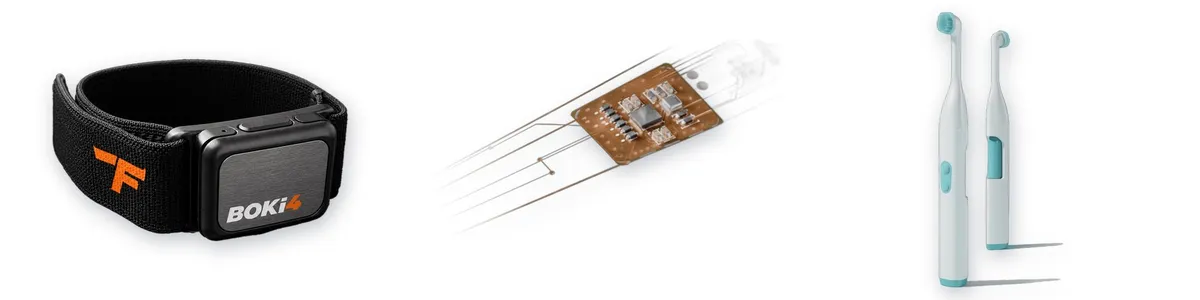
Recent work for TBKFiT, SKN Systems and Orasonic.
Fiddlie took BoKi4 from a sketch to a boxed product for sale. One team handled the industrial design, electronics, firmware and app, so nothing fell through the gaps between suppliers, and they're still who we call for manufacturing. If you're building a hardware product, talk to them first.

Kevin Hubble, Head of Product, TBKFiT
engineering partner to






Our engineers are named inventors on patent filings for about half the products we've delivered, with the IP assigned to each client.
case study: SKN Systems
new hardware every three weeks: SKN sensing tape
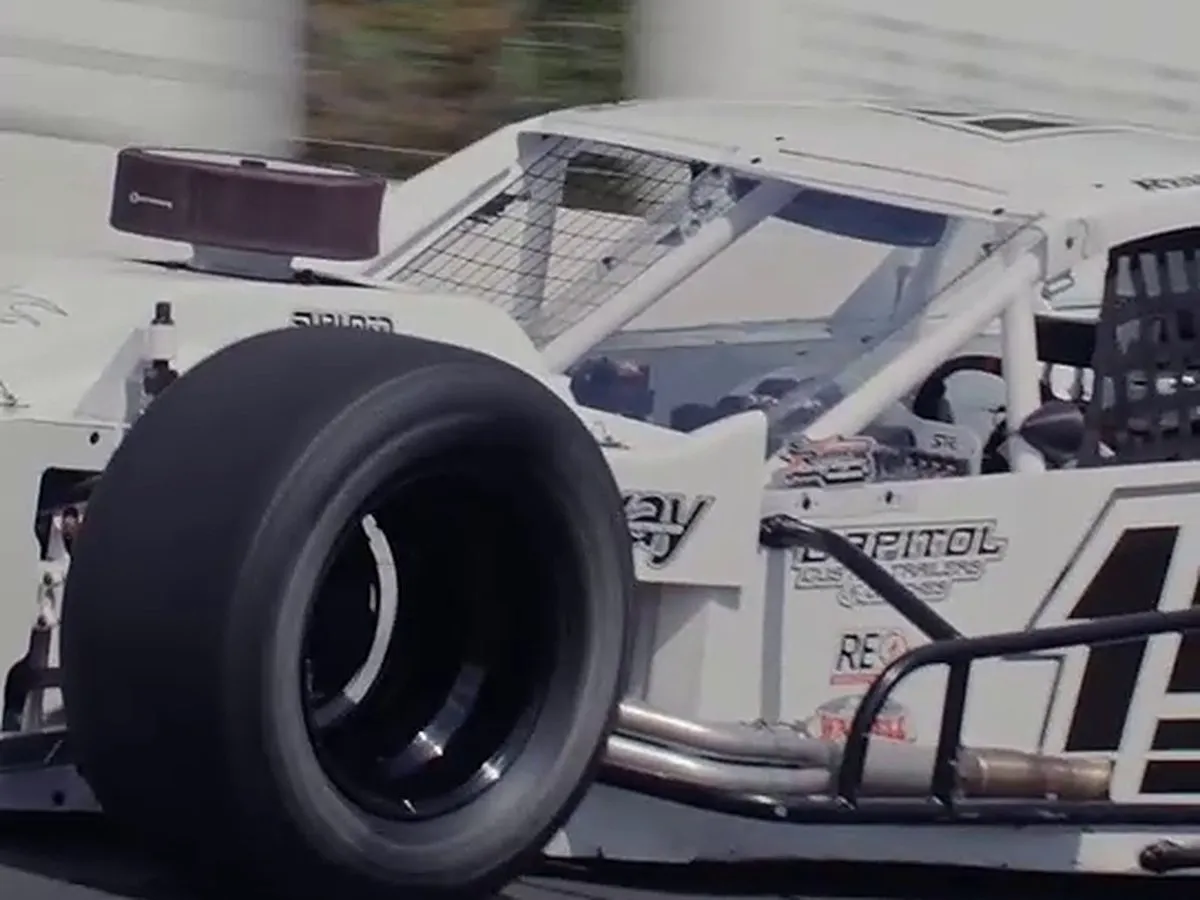
SKN is a sensing tape for motorsport aerodynamics, sending live surface pressure and thermal data from the car. We built the electronics, from a first proof of concept to the full-size sensor tape and car hub.
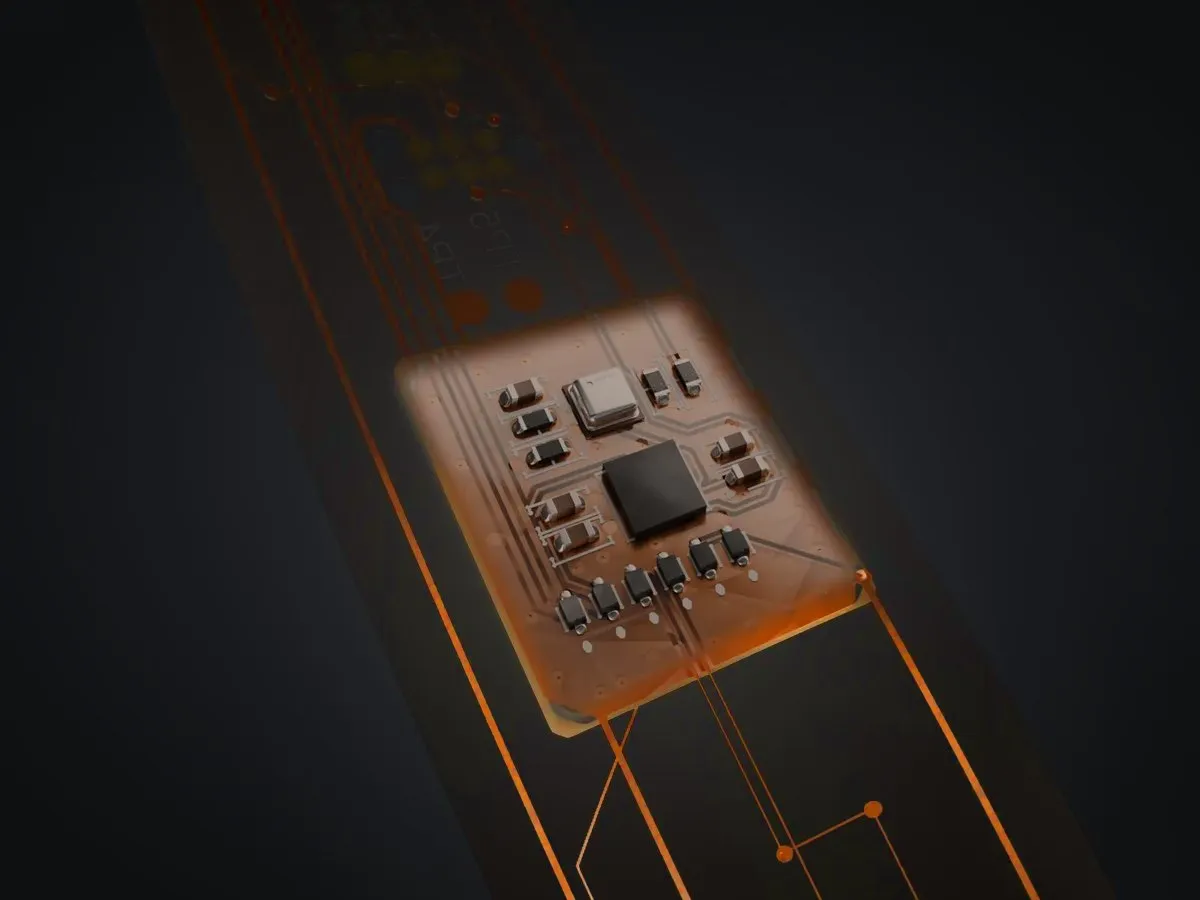
01
flex sensor tape
It began as a proof of concept on a 1:12 scale model car. The full-size tape is a flex circuit, and a patented design.
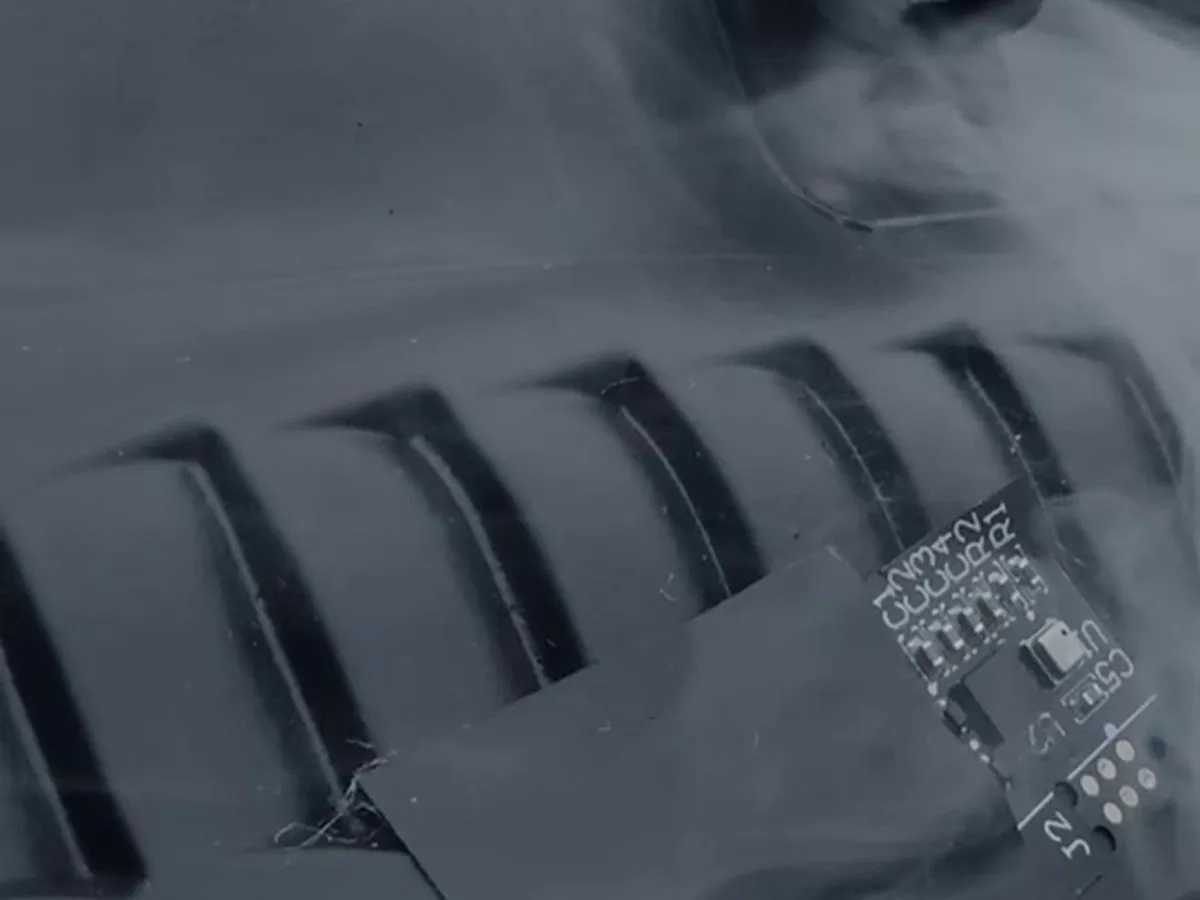
02
on the car
Ultra-thin sensors in a helicopter-tape profile. Each strip lasts five hours and sends its data wirelessly.
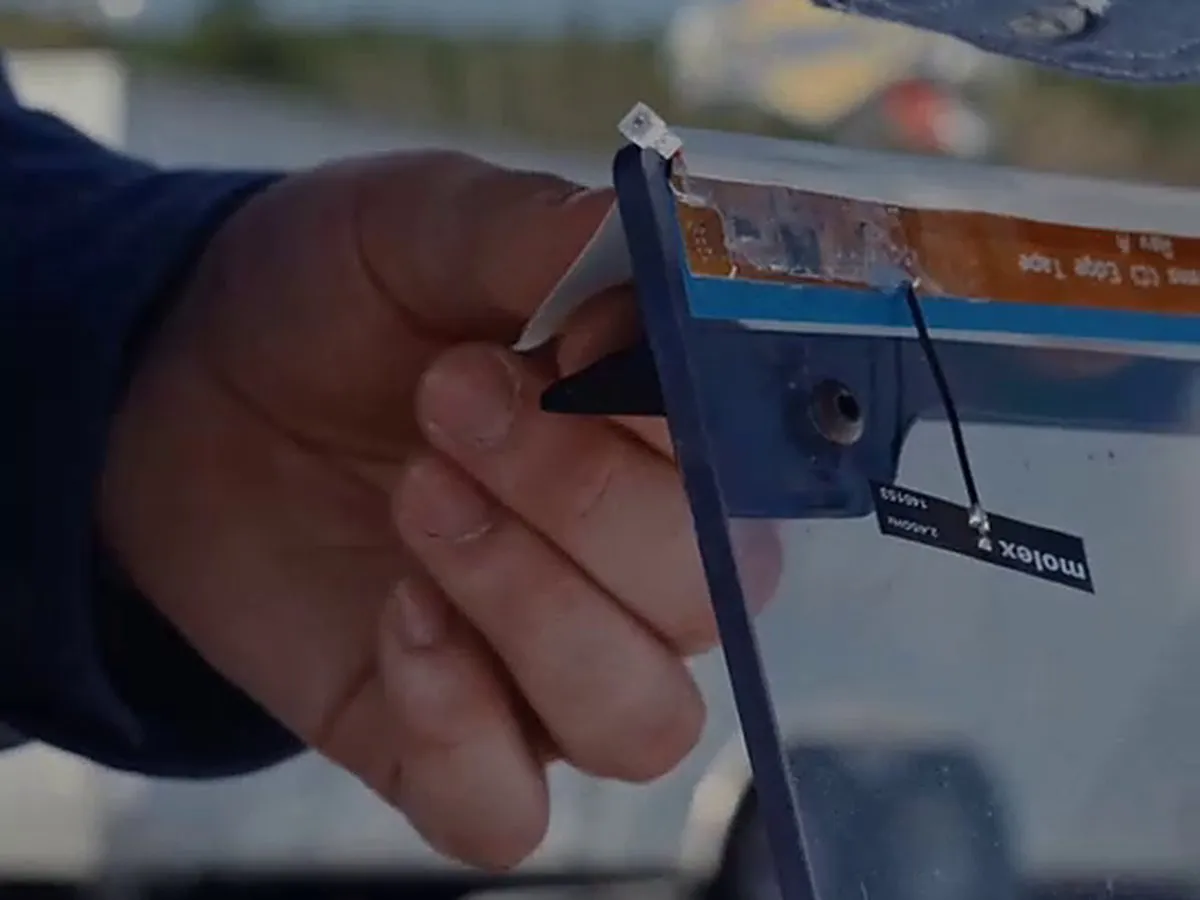
03
car hub and radio
The car hub is a rigid multi-board design. The radio setup is bespoke.
04
three-week iterations
A new iteration every three weeks for a year, each one tested on race cars around the world.
your board, next
Bring a sketch, a spec or a half-working prototype. We'll scope the first stage with you on a call, under NDA.
pcb design services
schematic & component selection
It starts with the circuit. We draw the schematic and choose parts that suit the job, and that you can actually buy at your production volumes.
pcb layout
We turn the schematic into a board that fits your enclosure and behaves itself. The engineers who lay it out are the ones who have to get it working on the bench, which keeps everyone honest.
design for manufacture
Manufacturing is part of the layout from the start, with a review before anything is released. The aim is a board your manufacturer can quote and build without asking for a redesign.
prototype assembly in our lab
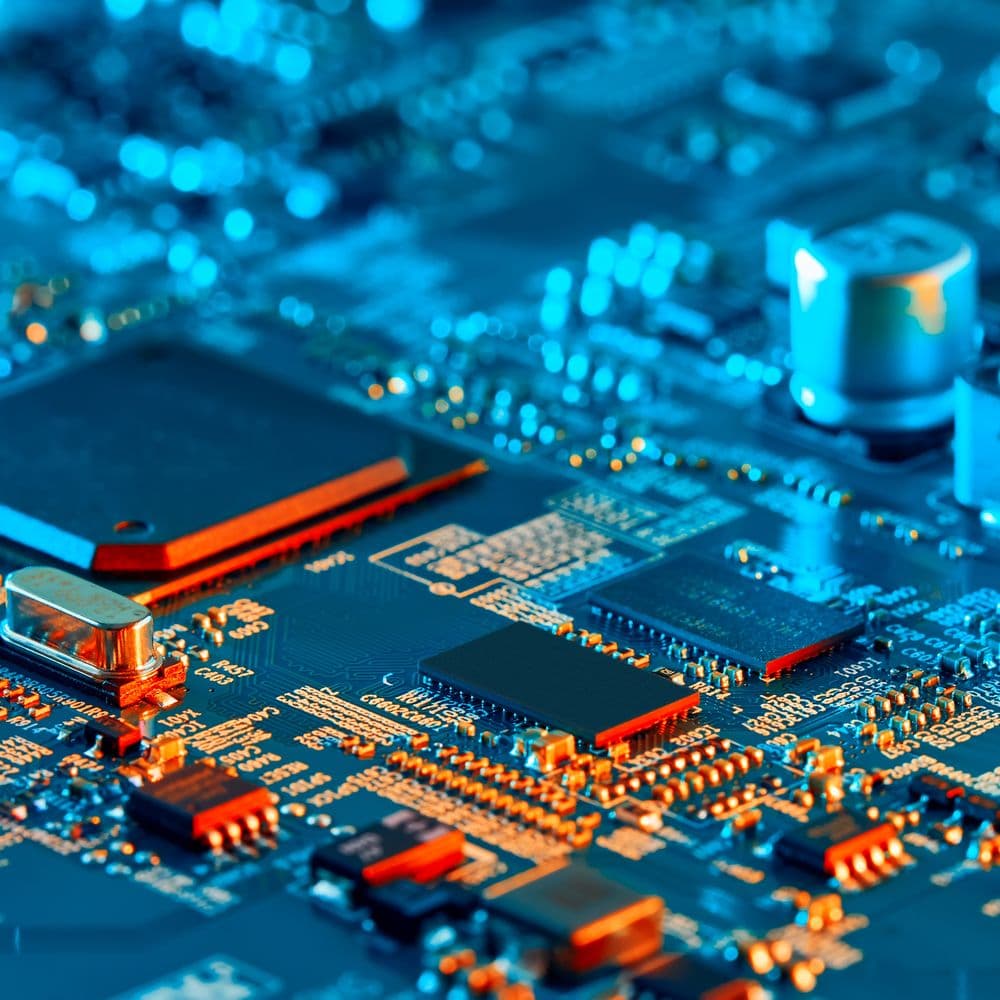
We assemble prototypes of the boards we design, using our own automated pick and place and conveyor reflow. Early iterations stay in the building, so a change doesn't have to wait in someone else's queue.
firmware bring-up
The team that designed your board writes the firmware to bring it to life. Low-power operation, sensors and connectivity, tested on real boards in our lab.
test & compliance support
We test boards on the bench with our own signal analysis equipment and hunt down the weak points before they find you. For EMC testing and certification we work with specialist partners we've vetted.
how we work
Our lab has automated pick and place, conveyor reflow and signal analysis equipment, so the early prototype builds happen here, where the people who designed the board can poke at it. For volume production, EMC testing and certification we bring in specialist partners we've vetted.
in-house capability
Schematic, layout, firmware, prototyping and test, all under one roof. If your board grows into a full product, the same team can take on the enclosure and a companion app.
manufacture-ready output
Every board is designed for production from day one. You get a tidy bill of materials and a design your contract manufacturer can build without rework.
protected IP, transparent terms
NDA from the first conversation. Fixed-price stages, paid as we deliver. Full IP ownership passes to you on completion.
our process
1. initial meeting
Talk your board through with one of our engineers, under NDA.
2. free fixed quote
You get a fixed-price proposal, with payments spread out as we deliver.
3. project kick-off
We sit down together and agree exactly what the board has to do.
4. prototyping
We design, build and test, then go round again until the board is right.
5. production
We build pre-production units for investor demos, field trials or regulatory testing.
6. completion
You get the working units, the design files and all the IP.